



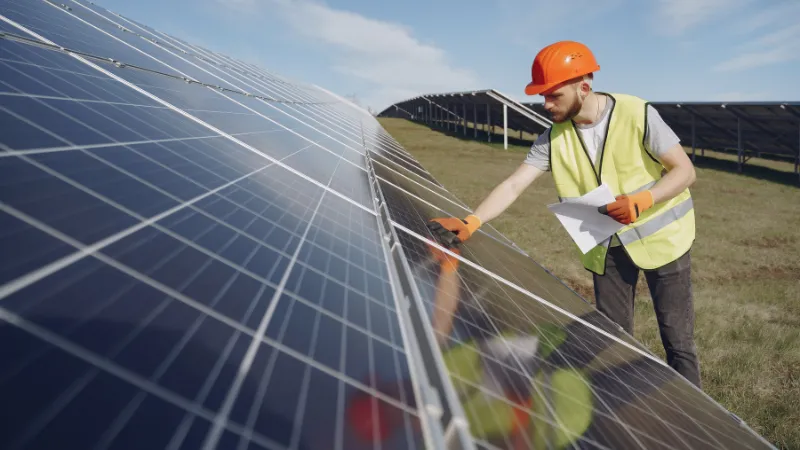
The potential for renewable energy in South Africa is enormous, especially in the solar industry. The demand for solar solutions has skyrocketed as people around the world become more aware of how conventional energy sources affect the environment. In South Africa, launching a solar company is a commitment to a more sustainable and environmentally friendly future as well as a wise commercial decision. We will explore the different aspects of starting and operating a solar business in South Africa in this tutorial. Let’s clarify a few words before we begin.
What is solar power?
One type of renewable energy that comes from the sun’s rays is solar power. It is captured using a variety of technologies to produce heat or electricity for various uses. The sun constantly releases energy in the form of electromagnetic radiation, which includes ultraviolet, infrared, and visible light. This solar radiation is captured and transformed into useful forms of energy by solar power devices. Businesses in South Africa should install solar panels to combat the current loadshedding problems.
There are two primary ways solar power is commonly utilised:
Solar photovoltaic (PV) technology:
How solar photovoltaic systems operate: They immediately generate power from sunshine. Solar cells, which are usually composed of semiconductor materials like silicon, are used to do this.
Photovoltaic cells: An electric current is produced when sunlight strikes semiconductor material and excites electrons. Direct current (DC) electricity is produced by this electron movement.
Inverters: Inverters transform DC electricity into alternating current (AC), the common form of electricity used in homes and businesses, so that the electricity can be used for the majority of purposes.
Solar thermal technology:
How it operates: Solar thermal systems use solar energy to generate heat that can be used directly or transformed into electricity.
Concentrated solar power (CSP): Sunlight is focused onto a tiny area by mirrors or lenses, heating a liquid (such as water or oil) to create steam. Electricity is then produced by using the steam to power a turbine that is connected to a generator.
Solar Water Heating: Heating water for domestic or commercial uses is another application for solar thermal energy. In these systems, a fluid is heated by sunlight and then transmits that heat to water.
What are the different types of solar businesses?
1. Solar panel installation
This is arguably the most popular and simplest business plan. Solar installations for homes, businesses, or industries can be your area of expertise. More businesses and property owners are attempting to use solar power as the need for sustainable energy increases. Solar Training offers a few steps to assist you in learning more about becoming a solar installer in South Africa.
2. Solar product retail
It can be profitable to run a retail business that sells a range of solar products, from batteries and panels to solar-powered appliances. You may serve both individual customers and companies looking for sustainable solutions using this model.
3. Solar consultancy
Giving professional guidance on solar systems might be a useful service. This includes carrying out energy assessments, suggesting suitable solar systems, and assisting customers with the installation procedure.
4. Solar maintenance and repair
Maintenance and repair services are becoming more and more necessary as South Africa’s solar system grows. A reliable source of income can be obtained by specializing in this field.
5. Rent-to-own solar business
Customers can lease solar systems with the possibility to buy them thanks to a novel business model. This strategy increases the accessibility of solar energy, particularly for people who might not be able to pay the initial expenditures.
What do you need to start a solar business in South Africa?
Knowledge and expertise
It is essential to have a thorough understanding of solar technology, installation procedures, and the local regulatory landscape. Think about spending money on training courses and certifications that are pertinent.
Legal compliance
You don’t need a license. The South African government has made it easier to move forward with individual plans by streamlining the process for installing solar PV systems in companies across the country. Technical and environmental standards are still in place, but getting a license is not necessary to proceed. Learn about the laws governing solar energy in South Africa.
Strategic partnerships
It is crucial to form alliances with manufacturers, suppliers, and other players in the renewable energy industry. A successful solar company is built on trustworthy suppliers.
Skilled workforce
Put together a group of knowledgeable experts, such as engineers, salespeople, and solar technicians. The proficiency of your workforce determines the success of your enterprise.
How much does it cost to start a solar business in South Africa?
Depending on the nature and scope of your operations, a solar company’s initial investment can differ significantly. It is ideal to have at least R100,000 in initial cash before beginning to plan your solar business in South Africa. The following factors may have an impact on the initial costs of your solar business:
1. Training and certification
It is essential that you and your team invest in thorough training. Obtaining certification from respectable organizations increases your marketability.
2. Business registration and licensing
Make sure your company complies with the law by accounting for the registration and licensing fees.
3. Equipment and inventory
Purchasing solar panels, batteries, inverters, and other necessary equipment will require the majority of your expenditure.
4. Marketing and promotion
Attracting clients requires promoting your company through both traditional and online marketing means.
5. Operational costs
Cover ongoing expenses such as rent, utilities, and salaries.
Will a solar business be profitable in South Africa?
In South Africa, a solar company’s profitability is influenced by a number of variables, such as market demand, competition, and operational effectiveness. A few factors that could impact your solar business’s profitability are as follows:
1. Government incentives
Examine tax breaks, government incentives, and subsidies for companies engaged in renewable energy. Understanding South Africa’s solar adoption activities can have a big financial impact. Make sure you are eligible for the tax advantages that SARS has listed for installing solar panels on residential and commercial premises.
2. Energy demand
Determine the sectors and areas that require a lot of energy. You can increase the appeal of your solar solutions by focusing on places where the grid is less dependable.
3. Innovation and adaptation
You can gain a competitive edge by keeping up with technology developments and modifying your business plan appropriately.
What industries need solar the most?
Due to their high energy consumption and potential for large cost reductions, a few sectors stand out as excellent prospects for solar solutions:
Farming
Large-scale farming operations frequently need a lot of energy for processing, heating, and irrigation. Operating costs might be lowered with the use of solar technologies.
Production
Manufacturing-related industries have substantial energy requirements. They can reduce their electricity expenses by incorporating solar power into their activities.
Hospitality
Heating, ventilation, and air conditioning systems, as well as lighting and other amenities, can be powered by solar energy in hotels, resorts, and other hospitality establishments.
Residential
Homeowners are increasingly choosing sustainable energy solutions to lessen their carbon impact, making the residential sector a sizable market for solar companies.
School buildings, shopping malls, office buildings, and other businesses may also require solar energy solutions.
Market research when deciding to start a solar business or not
Doing in-depth market research is essential before entering the solar industry. Here are some important factors to think about:
1. Geography and demographics
Determine which areas have a high potential for solar energy adoption. Take into account elements like the amount of sunlight, the climate, and the population’s financial situation.
2. Analysis of competitors
Examine the solar companies that are currently operating in your chosen area. Examine their advantages, disadvantages, and client feedback to find areas where they may stand out.
3. The regulatory landscape
Recognize the regulatory environment that affects solar companies. To promote solar adoption, look into any tax breaks, rebates, or incentives provided by the government.
4. Customer preferences and requirements
To learn about the energy demands and interests of potential clients, conduct surveys. Customize your products to your target market’s particular needs.
4 steps to running a successful solar business
1. Excellent service
Give quality first priority when delivering goods and services. Customers who are happy with your business are more inclined to refer it to others and come back.
2. Educating customers
Inform your clients about the advantages of solar energy and assist them in making a choice. Customers who are well-informed are more likely to stick with solar in the long run.
3. Branding and marketing
Make a significant offline and online presence investment. Create a brand that embodies your dedication to dependability and sustainability.
4. Upkeep services
You can differentiate yourself from rivals by providing post-installation maintenance services. Solar systems operate at their best when they receive routine maintenance.
Challenges and benefits of a solar business
Challenges
Initial capital investment: Some entrepreneurs may find it difficult to launch a solar business due to the hefty upfront costs.
Technological developments: It might be difficult to keep up with the solar industry’s rapid technological breakthroughs, but doing so is necessary to maintain competitiveness.
Policy and regulatory uncertainty: The solar sector may be impacted by modifications to governmental policies and regulations. It’s critical to be knowledgeable and flexible.
Benefits
Sustainability: One major advantage is that renewable energy solutions help create a cleaner environment.
Consistent demand: The increased emphasis on sustainability around the world guarantees a consistent and expanding market for solar solutions.
Cost savings for clients: Solar energy can drastically lower clients’ electricity bills, making your services more affordable.
How can business funding help your solar business expand?
Obtaining capital for your solar company helps accelerate its expansion and scalability. Here are some ways that company investment can be useful:
1. Growth in operations
You may grow your business to reach more clients and enter new areas with extra funding.
2. Improvements in technology
Purchasing the newest solar technology increases your competitiveness and enables you to provide your clients with cutting-edge solutions.
3. Outreach and marketing
With more money, you may put strong marketing plans into action, increasing brand awareness and drawing in more clients.
4. Development and research
To keep up with advancements and trends in the market, set aside money for research and development.
5. Education and training
Your staff will remain up to date on industry standards and best practices if they receive ongoing training.
How can you secure funding for your solar business?
Knowing how much money you need and what your company requires is the first step in obtaining funding. After that, it’s advisable to evaluate offers from several lenders in order to select the ideal business loan for your requirements. If you want to grow your small and medium-sized enterprise (SME), a solar business loan is a fantastic choice. Finding the finest company financing offer on a marketplace platform such as FundingHub is a fantastic place to start.
Starting a solar business in South Africa is an opportunity to support the sustainable future of the nation as well as a financial opportunity. Despite the difficulties, the endeavor is valuable due to the possible economic and environmental benefits. A well-thought-out and implemented solar company can shine brightly in South Africa’s developing green economy as the era of renewable energy dawns.
Conclusion
Living a healthier life doesn’t require overnight changes—it starts with small, consistent habits. Whether you’re trying to eat better, exercise regularly, improve your mental well-being, or simply build a healthier daily routine, Activevitalspark com offers practical information to help you move in the right direction. Use its guides as a source of inspiration, combine them with advice from qualified healthcare professionals when needed, and focus on creating habits that you can maintain for the long term.
FAQs
What is Activevitalspark com?
Activevitalspark com is an online health and wellness platform that shares articles on fitness, nutrition, mental health, healthy lifestyle habits, weight management, and overall well-being.
Is Activevitalspark com free to use?
Yes. Visitors can access the platform’s health and wellness content online without paying a subscription fee, although available features may change over time.
What topics does Activevitalspark com cover?
The platform covers a variety of wellness topics, including exercise routines, healthy eating, mental wellness, self-care, productivity, preventive healthcare, and lifestyle improvement.
Who can benefit from Activevitalspark com?
Anyone interested in improving their health can benefit, including beginners starting a fitness journey, busy professionals, students, families, and people looking to build healthier daily habits.