



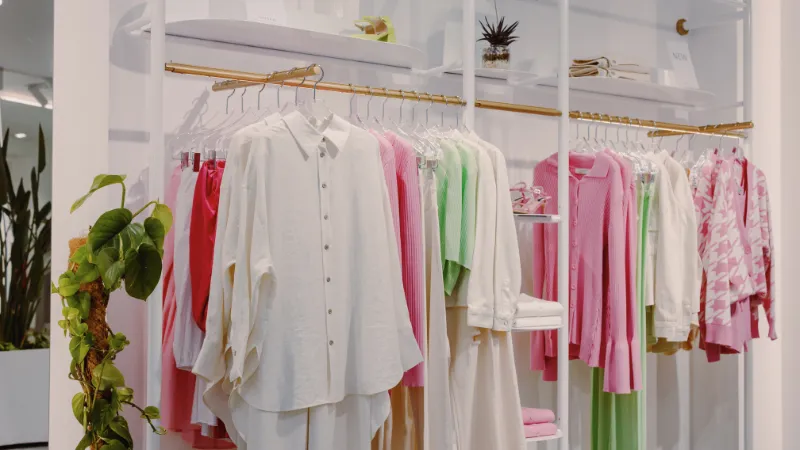
Starting a clothing brand can be an exciting way to turn your creativity into a business. You may already have ideas for the styles you want to create, the people you want to dress, or the message you want your brand to carry.
But a clothing brand is about more than designing nice clothes.
You also need to understand your customers, choose a clear niche, plan your money, find dependable suppliers, build a brand people remember, and figure out how you are going to sell.
South Africa already has a number of fashion brands that have built strong identities of their own. Names such as Rich Mnisi, Thebe Magugu, and AKJP show how different a South African clothing brand can look when it has a clear point of view.
You do not need to copy what established brands are doing. Your job is to find your own space.
This guide walks through the main steps involved in starting a clothing brand in South Africa in 2026.
Step 1: Research the Market and Find Your Niche
Before you start buying fabric or ordering sewing machines, figure out who you want to sell to.
The clothing market is crowded, so simply saying that you want to sell fashionable clothes is not enough. You need a reason for customers to notice your brand.
That reason becomes part of your unique selling proposition (USP).
Your USP could come from your designs, price point, fabrics, cultural influence, sustainability, fit, customisation, or the type of customer you serve.
Watch Fashion Trends
Start by looking at platforms such as Instagram, TikTok, and Pinterest.
Pay attention to the styles people are wearing, the types of products getting attention, and the conversations happening around fashion. Trends can give you useful ideas, but do not build your entire brand around something that may disappear in a few months.
You want to understand trends without losing your own identity.
Ask Potential Customers What They Want
You can learn a lot by asking people directly.
Use simple surveys through platforms such as Google Forms or SurveyMonkey. Ask people what they like, what they dislike, what they struggle to find, and what they would like to see from a new clothing brand.
Sometimes the best product idea comes from a problem customers already have.
Study Your Competitors
Look at other South African clothing brands that target a similar audience.
Do not only look at their products. Study how they present themselves, what customers praise in their reviews, and where people feel disappointed.
Those gaps can help you shape your own offer.
Define Your Target Customer
You should be able to picture the person you are designing for.
Think about their:
- Age
- Gender
- Income
- Location
- Education
- Lifestyle
- Interests
- Values
- Shopping habits
- Spending patterns
A customer persona makes these ideas easier to organise. Instead of trying to sell to everyone, you can create products and marketing that speak to a particular group.
Step 2: Build a Strong Business Foundation
Once you know what you want to sell and who you want to serve, deal with the business side.
This part may not be as exciting as designing your first collection, but it can save you problems later.
Choose a Business Structure
There are mostly three common options:
Sole proprietorship: The proprietor may be held personally liable for business debts, although this is easy to set up.
Partnership: Two or more people share ownership, responsibilities, and profits, but personal liability can apply.
Private company: A private company is more involved to set up, but it creates a separate legal structure between the business and its owners.
Think about your plans before choosing. A business that you expect to grow, take on investors, or work with larger organisations may need a different structure from a small side business.
Register Your Clothing Brand
To formally register your company in South Africa, you can use the Companies and Intellectual Property Commission (CIPC).
Registration gives the business official recognition and can help when dealing with customers, partners, funding providers, and other organisations.
The source also highlights benefits such as access to funding opportunities, government assistance programmes, and a stronger professional image.
Before settling on a name, make sure it is available and suitable for your brand.
Register for the Right Taxes
Once your business is set up, you also need to understand your tax responsibilities.
The source specifically mentions VAT and PAYE registrations through the South African Revenue Service (SARS).
VAT
According to the source, VAT registration is compulsory once the business reaches R2.3 million in annual income.
It also notes that VAT registration can be useful when working with larger businesses and government contracts and may allow the business to claim VAT on qualifying purchases.
PAYE
If you employ staff, you need to understand PAYE and the associated employee tax responsibilities.
The source identifies PAYE as a legal requirement for businesses with employees and notes that proper deductions help ensure employees’ tax is handled correctly.
Because tax obligations can vary depending on how your business operates, keep proper financial records from the beginning.
Write a Business Plan
Your business plan should bring everything together.
Include your goals, target market, financial projections, marketing strategy, and how you plan to run the company.
You may also need a business plan if you want to approach a bank or investor for funding.
Keep it practical. It should help you answer questions such as how much your first collection will cost, how you will price it, how many items you need to sell, and when you expect the business to become sustainable.
Step 3: Secure Funding and Buy the Equipment You Need
Starting a clothing brand can be done on a small scale, but you still need money for materials, equipment, packaging, marketing, and production.
You can consider several funding options, including:
- Personal savings
- Business loans
- Investors
- Crowdfunding
Using your own savings gives you more control, but it also means taking on the financial risk yourself. Loans give you access to capital but need to be repaid with interest. Investors may provide more money but usually receive a share of the business.
Choose the option that matches the size and stage of your clothing brand.
Invest in Good Sewing Equipment
If you plan to manufacture clothing yourself, your equipment matters.
Some essential items include an industrial sewing machine, a strong cutting table, fabric-cutting equipment, dress forms, ironing equipment, and measuring tools.
The source mentions Singer, Juki, and Brother as sewing machine brands to consider, with different strengths in areas such as durability, speed, precision, and affordability.
You can look at local sewing-machine dealers or online retailers when shopping for equipment.
Do not focus only on the purchase price. Check the warranty, availability of spare parts, after-sales service, and whether the machine actually suits the materials you intend to use.
Testing the machine before buying is also a useful step.
Find Reliable Fabric and Material Suppliers
Your products are only as good as the materials you use.
Look for suppliers that can consistently provide the fabrics, trims, threads, buttons, zips, and other materials you need.
The source lists examples of South African suppliers for fabrics, trims, notions, and other materials, and also points to events such as South African Fashion Week and African Fashion International as places where entrepreneurs can connect with suppliers and explore products.
Try not to depend entirely on a single supplier. Having alternatives can save you when a particular fabric becomes unavailable, or prices change unexpectedly.
Step 4: Create a Brand Identity
A clothing brand needs more than a logo.
Your brand identity is the overall impression people get when they see your clothes, website, packaging, social media posts, and advertising.
Think about two things: how the brand looks and how it feels.
Your visual identity can include your:
- Logo
- Colours
- Fonts
- Photography
- Packaging
Your brand’s personality can come through in its tone of voice, tagline, messaging, and the way you communicate with customers.
Choose a Memorable Brand Name
Your business name should fit the personality of the brand and be easy for customers to remember.
Before committing to it, check that it is available and that using it will not create problems with another business.
You can also check whether matching social media handles and domain names are available.
Build a Visual Identity
You do not need a huge budget to create a professional look.
Tools such as Canva and Hatchful can help you create a basic logo. Coolors and Adobe Color can help you explore colour combinations, while Google Fonts can help you choose typefaces.
As the business grows, you may decide to work with a professional designer to take the branding further.
Tell Your Brand Story
People often connect with the story behind a brand as much as the products themselves.
Think about why you started the business, what your brand stands for, and what difference you want it to make.
A clear story can help customers understand the person or idea behind the clothes and make the brand feel more relatable.
Step 5: Develop Your Clothing Line
Now comes the part most fashion entrepreneurs are excited about: creating the actual products.
Before producing a large collection, ask yourself some practical questions.
Are the designs appealing to your target audience? Do they solve a problem or offer something different? Have you made samples? Have you tested your fabrics? Can your manufacturer consistently produce the garments to your standards?
Start With Samples
Do not rush straight into bulk production.
Create samples first. Wear them, wash them, test the fit, check the stitching, and see how the fabric behaves.
If you skip this step, you may end up with a large quantity of clothing that needs expensive corrections.
Think About Sustainability
Sustainability is becoming an important consideration for fashion businesses and customers.
You can explore materials such as organic cotton and recycled polyester. You can also work with manufacturers that follow fair labour practices and use more environmentally responsible production methods.
Reducing fabric waste is another option. Techniques such as more efficient pattern cutting and recycling leftover fabric can help reduce unnecessary waste.
You do not need to transform the entire business overnight. Even small improvements can become part of a more thoughtful production process.
Step 6: Build Your Marketing and Sales Strategy
Once your clothing line is ready, people need to see it.
A professional website gives customers somewhere to browse your collection and learn about the brand.
You do not need complicated technology to get started. There are plenty of website-building tools that allow small businesses to create an online store without writing code.
Use Social Media
Social media can help you build awareness before and after launch.
Use platforms such as Instagram and TikTok to show your products, introduce new collections, share behind-the-scenes content, and interact with customers.
The source also recommends email marketing as a way to keep customers updated about new releases and promotions.
Work With Relevant Influencers
Influencer marketing can be useful when the person you work with genuinely matches your brand.
A fashion creator with an engaged audience may be more valuable than someone with a huge following but little connection to your target customer.
Look for people whose style and values fit the clothing you are selling.
Make Customer Service Part of Your Brand
Do not treat customer service as something separate from marketing.
Reply to questions promptly, deal with complaints professionally, and make the buying experience as smooth as possible.
Satisfied customers are more likely to talk about your business and recommend it to other people.
Step 7: Monitor, Adapt, and Grow
Launching your clothing brand is not the finish line.
You need to keep watching what customers are saying and how the business is performing.
Pay attention to reviews, sales, customer feedback, and changing fashion trends. When something is not working, be willing to adjust.
That could mean changing a product, updating your marketing, adjusting your pricing, or introducing a new collection.
As the business becomes more stable, you can also consider expanding into new product categories or reaching new markets.
Common Mistakes to Avoid
Starting a clothing brand is exciting, but it is easy to make decisions based on emotion rather than numbers.
One common mistake is producing too much stock before knowing whether customers will buy it.
Another is spending heavily on branding while neglecting the quality of the actual products.
You should also avoid trying to serve everyone. A clear target customer makes your product development and marketing much more focused.
Finally, do not ignore the financial side of the business. Keep track of every expense, know your margins, and understand how much you need to sell to cover your costs.
Conclusion
Starting a clothing brand in South Africa in 2026 takes creativity, but creativity alone will not build the business.
You need to understand your market, choose a niche, build a proper business foundation, and manage your money carefully.
Start with research. Figure out who you want to sell to and what your brand can offer that customers cannot easily find elsewhere. Then register the business, deal with your tax responsibilities, find reliable suppliers, and invest in equipment only where it makes sense.
From there, focus on building a brand people can recognise and products they will actually want to wear.
You do not need to launch with a huge collection or an expensive physical store. Start at a size you can manage, listen to your customers, improve as you learn, and reinvest in the parts of the business that are working.
FAQ
How do I start a clothing brand in South Africa in 2026?
Select a niche and start to understand the market. Next, make a business plan, register the company, locate suppliers, and develop your products.
Do I need to register my clothing brand in South Africa?
If you want to operate as a formal company, you can register the business with CIPC. Registration can also help with funding opportunities, partnerships, and presenting a more professional image.
How do I find a niche for my clothing brand?
Look at current fashion trends, study competitors, and talk to potential customers. Then find a specific need or style that your brand can serve in its own way.
Who should I target with my clothing brand?
Start by creating a clear picture of your ideal customer. Consider their age, income, location, lifestyle, interests, values, and shopping habits so your products and marketing feel relevant to them.
How much does it cost to start a clothing brand in South Africa?
The source does not give one fixed startup figure. Your costs will depend on things such as equipment, fabrics, production, branding, marketing, registration, and the size of your first collection.
Do I need VAT registration for a clothing business in South Africa?
The source states that VAT registration is required when the business earns more than R2.3 million a year. It also notes that VAT can be relevant when working with larger businesses or government contracts.
What equipment do I need to start a clothing brand?
If you plan to produce garments yourself, you may need industrial sewing machines, a cutting table, fabric-cutting tools, dress forms, ironing equipment, and measuring tools.
How do I find fabric suppliers in South Africa?
Look for suppliers that can consistently provide good-quality fabrics, trims, and other materials. Industry events such as South African Fashion Week and African Fashion International can also help you connect with suppliers.
How do I create a strong clothing brand identity?
Think about your logo, colours, fonts, photography, tone of voice, and overall style. Your branding should feel consistent and give customers a clear idea of what your clothing brand represents.
Why is a brand story important for a clothing business?
A good brand story explains why you started, what your brand stands for, and what you want to achieve. It can make the business feel more personal and help customers connect with it.
How do I grow a clothing brand after launching?
Keep an eye on customer feedback, sales, and changing fashion trends. As the business becomes more established, you can consider adding new products or entering new markets.