



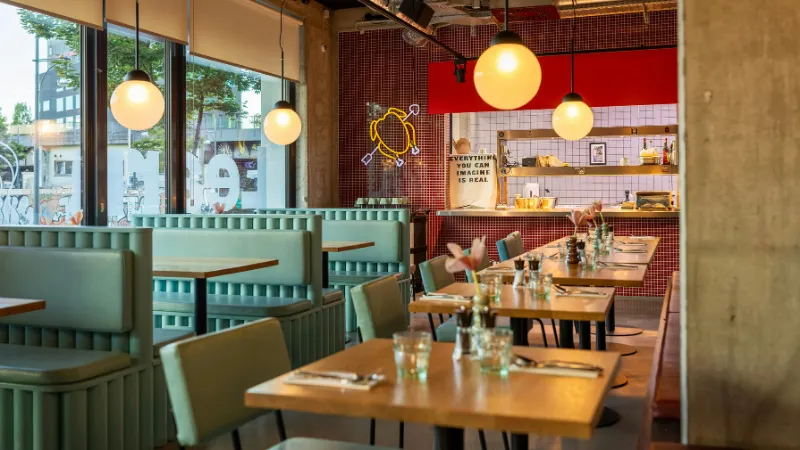
In South Africa, food plays a significant role in daily life. People get together for coffee at a local café, spend weekends at a shisanyama, meet over breakfast, or grab a kota after work. A decent restaurant is more than just a place to dine. It may integrate into the neighbourhood.
That is one reason starting a restaurant business in South Africa can be so appealing. But while the idea of serving great food sounds exciting, there is a lot more involved behind the scenes.
You need a clear concept, enough money to get started, the right location, reliable staff, proper licenses, and systems that keep the business running smoothly.
The good news is that you do not have to begin with a huge restaurant. Some entrepreneurs start with a small pop-up, food stall, or takeaway setup to test their idea before committing to a permanent location.
The fundamentals are the same whether you start small or go straight for a full restaurant: comprehend your clientele, make financial plans, and create a company that can meet the industry’s daily demands.
Define Your Restaurant Concept
Before thinking about décor, menus, or furniture, get clear on what kind of restaurant you want to open.
Your concept could be a small café serving coffee and baked goods, a takeaway specialising in burgers and chips, or a sit-down restaurant with a more extensive menu. You might even want to combine food with entertainment, live music, or another experience.
There is no single concept that works for everyone. What matters is understanding who you are trying to attract.
A café near a university may appeal to students looking for affordable meals, Wi-Fi, and a comfortable place to work. A family restaurant may need more space and a menu that works for both adults and children. A restaurant aimed at tourists may focus more on location and local food experiences.
The clearer you are about your target customer, the easier it becomes to make decisions about your menu, pricing, location, staffing, and marketing.
Create a Practical Business Plan
A restaurant can look busy and still struggle financially. That is why a business plan is so important.
You do not need a complicated document filled with business jargon. Think of it as a practical roadmap for your restaurant.
Start by putting your idea, your target market, the food and beverages you want to sell, and your budget in writing. Next, project your monthly and startup costs.
The following expenses should be included in your plan:
- Deposits and rent
- Kitchen appliances
- Furnishings and décor
- Wages for employees
- Stock of food and beverages
- Permits and licenses
- Utilities
- Promotion
- Payment systems and technology
How Much Does It Cost to Open a Restaurant in South Africa?
There is no single figure because restaurant costs vary widely depending on the type of business you want to build.
A small café with basic equipment, simple décor, a coffee machine, and refrigeration may cost roughly R80,000 to R150,000 to get started.
A takeaway outlet with equipment such as fryers and grills may require around R150,000 to R300,000.
Startup costs can be as high as R500,000 for a full sit-down restaurant with a fully furnished kitchen, furnishings, employees, décor and a liquor licence; larger enterprises may cost more than R1 million.
| Restaurant Type | Approximate Startup Cost |
| Small café | R80,000 – R150,000 |
| Takeaway outlet | R150,000 – R300,000 |
| Full sit-down restaurant | R500,000+ |
| Larger restaurant | R1 million+ possible |
Plan How You Will Fund the Business
Once you have a realistic budget, think about where the money will come from.
Many restaurant owners use a combination of personal savings, loans, equipment financing, or money from a business partner. The right approach depends on your financial situation and how much capital the restaurant needs.
If your restaurant is already operating, flexible funding can also help when you need money for equipment, renovations, or other upgrades.
Consider Starting With a Pop-Up
You do not necessarily need to sign a long-term lease and spend hundreds of thousands of rand on day one.
A pop-up restaurant can be a useful way to test your concept first. You could rent a stall at a weekend market, operate a food truck, or work with an existing café during hours when it is normally closed.
This gives you a chance to see how people respond to your food before committing to a permanent location.
You can test your menu, listen to customer feedback, experiment with pricing, and start building a following. It can also show you which dishes sell well and which ones need to be changed.
Starting smaller can make the learning process less expensive.
Register Your Restaurant Business
Before you begin operating, there is some important paperwork to complete.
In South Africa, you will need to register your business with the Companies and Intellectual Property Commission (CIPC).
You will also need to look into the requirements that apply specifically to restaurants and food businesses in your municipality.
Depending on your setup, this can include:
- Business registration with CIPC
- A food business license from the local municipality
- Health and safety requirements
- A liquor license if you plan to serve alcohol
Choose the Right Restaurant Location
Location can make a huge difference to a restaurant.
A great menu may not be enough if customers cannot easily find you, reach you, or park nearby. At the same time, paying a huge amount for rent does not automatically guarantee success.
Think about the people you want to serve.
A student café might work near a university or college. A family restaurant could do well in a residential area or shopping centre. A takeaway business may benefit from high foot traffic or a location close to offices.
Look at accessibility, parking, surrounding businesses, customer traffic, and what your competitors are doing.
It is often better to have a simple restaurant in the right location than an impressive one in a place where your target customers rarely go.
Build a Reliable Restaurant Team
Your employees will have a direct effect on the customer experience.
A chef who consistently prepares good food, friendly waiters who make customers feel welcome, and staff members who can process payments quickly can all help turn first-time customers into regulars.
Training should cover more than food preparation and customer service. Your team should also understand the systems you use every day, including your point-of-sale system.
A restaurant can get extremely busy during lunch, dinner, weekends, and special events. Staff need to know what they are doing so orders and payments move smoothly even when the pressure is high.
Set Up the Right POS System
Your POS system should do more than accept payments.
For a restaurant, it can help with orders, receipts, sales tracking, and day-to-day operations. A slow or unreliable system can create frustration for both customers and employees.
For pop-ups, markets, and food trucks, a portable card machine can make things easier because you can accept card and mobile payments wherever you are operating.
For a permanent restaurant, a more full-featured system can help staff process orders quickly and give you a clearer view of sales as they happen.
The important thing is to choose a payment setup that fits the way your restaurant actually works.
Market Your Restaurant Before You Open
You do not need to wait until opening day to start promoting your restaurant.
Start with making awareness while you are still preparing. Share photos of the space, behind-the-scenes content, menu ideas, or progress updates on social media.
You can also distribute flyers locally, work with nearby businesses, or invite relevant local creators to experience the restaurant.
After opening, keep your online presence active. Make sure your Google Business Profile has accurate opening hours, location details, photos, and contact information.
Encourage satisfied customers to leave reviews. In the restaurant business, word of mouth can go a long way, especially when people are recommending places to friends, family, and colleagues.
Keep a Close Eye on Your Numbers
A restaurant can have full tables and still lose money.
That is why you need to keep checking your sales, food costs, wages, rent, utilities, and other operating expenses.
Look at which menu items sell the most. Check whether some dishes are costing more to produce than expected. Watch your busiest and quietest trading periods.
Your financial data can help you decide when to change your menu, adjust pricing, hire additional staff, or invest in new equipment.
Instead of relying on guesswork, use your sales information to understand what is really happening inside the business.
Focus on Customer Experience
Good food gets people through the door, but the overall experience often determines whether they come back.
Consider the small things. Are patrons adequately greeted? Are orders delivered on schedule? Are payments made quickly? Does the food always have the same appearance and flavor?
Consistency matters.
You do not need to create an expensive luxury restaurant to give people a good experience. A clean space, friendly service, reliable food, and fair pricing can go a long way.
Conclusion
If you want to open a restaurant in South Africa requires more than simply a love of cuisine. You need to understand your customers, manage your money wisely, follow all relevant regulations, and develop processes that will allow the business to continue operating during busy periods.
Start with a clear vision and make a proper company plan. Before making significant expenditures, figure out your startup budget. If you’re not ready to commit to a permanent site, consider testing your idea with a pop-up.
From there, focus on the basics that keep restaurants moving: the right location, a dependable team, simple payment systems, consistent service, and careful financial management.
It may take time to build a loyal customer base, but a well-planned restaurant can become much more than a place to eat. It can become a familiar part of the neighbourhood and a business people are happy to return to.
FAQ
How much does it cost to start a restaurant in South Africa?
The Cost depends on your setup; it will determine the price. Starting a full restaurant costs at least R500,000, although a modest café might start at about R80,000.
Is opening a restaurant profitable in South Africa?
A restaurant can become profitable, but good food alone is not enough. You also need sensible pricing, careful cost control, steady customers, and good day-to-day management.
What do I need to open a restaurant in South Africa?
You’ll need a clear concept, a business plan, enough startup capital, a suitable location, staff, equipment, and the required registrations, licenses, and permits.
Do I need to register my restaurant business?
Yes. The source recommends registering your business with the Companies and Intellectual Property Commission (CIPC) before you begin operating.
Do I need a food business license in South Africa?
Yes, restaurant owners need to look into a food business license through their local municipality. Health and safety requirements also need to be met.
Do I need a liquor license for my restaurant?
You’ll need a liquor license if you plan to sell alcohol. The exact requirements can depend on where your restaurant operates.
Can I start a restaurant with a small budget?
Yes. You could begin with a smaller café, takeaway operation, food stall, or pop-up instead of opening a large sit-down restaurant right away.
Is a pop-up restaurant a good way to test an idea?
A pop-up can help you test your menu and concept before committing to a permanent location. It also lets you gather real customer feedback with less upfront investment.
How do I choose a restaurant location in South Africa?
Look at foot traffic, accessibility, parking, nearby businesses, and the type of customers in the area. Your location should match the people you want to attract.
How do I fund a restaurant business in South Africa?
Many owners combine personal savings with loans, equipment financing, or investment from a business partner. The best option depends on how much capital your restaurant needs.
What equipment do I need to start a restaurant?
Your needs depend on the concept, but most restaurants require cooking equipment, refrigeration, food preparation tools, furniture, payment equipment, and other kitchen supplies.
Why is a POS system important for a restaurant?
A good POS system makes it easier to process payments, manage orders, track sales, and understand how the restaurant is performing. A slow system can create problems during busy periods.
What is the most important thing to remember when starting a restaurant?
Plan before you spend. Understand your customers, work out your costs, follow the necessary requirements, and make sure your restaurant can handle its everyday expenses as well as its opening costs.