



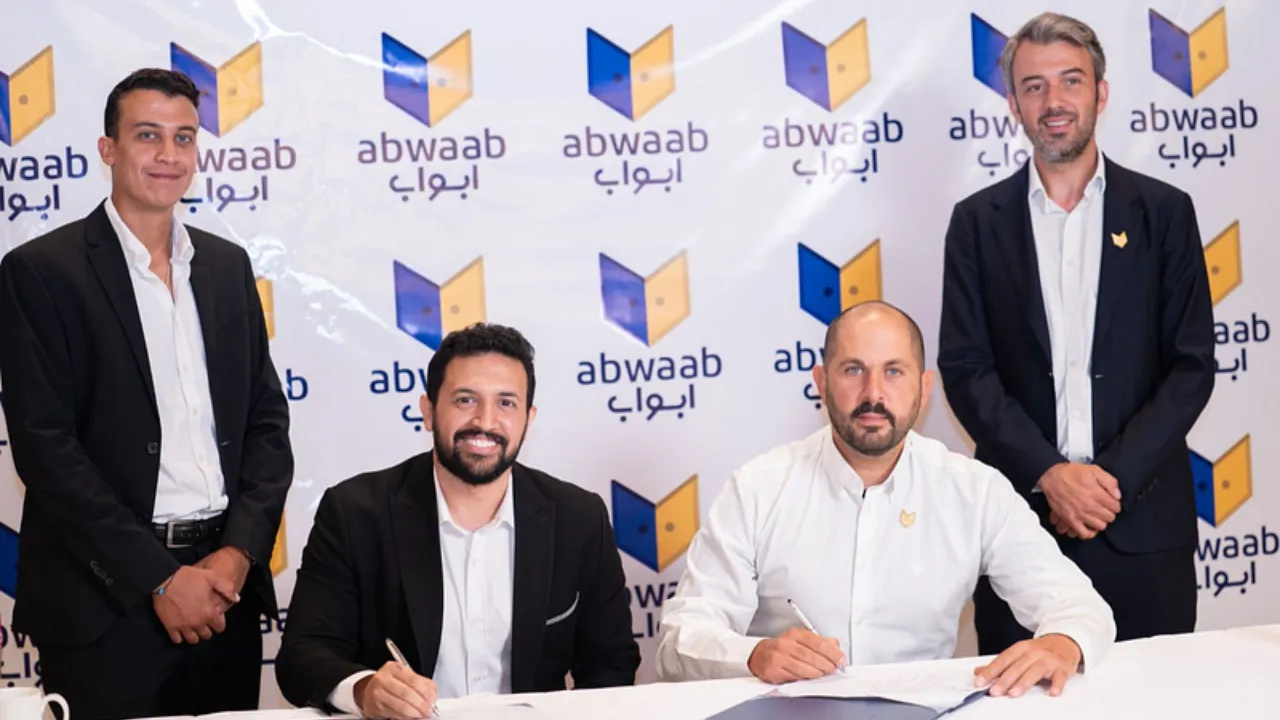
Abwaab, a Middle East and North African education technology company, has acquired Egyptian edtech software developer Eduact, expanding its operations beyond direct-to-student digital learning to include IT infrastructure for teachers and physical learning centers.
The financial terms of the transaction were not disclosed.
The deal provides Abwaab with access to Eduact’s network of independent teachers and learning centers throughout Egypt, as well as tools designed to assist educators in managing both online and offline operations.
For Abwaab, the acquisition signals a more fundamental shift in strategy. The company has always concentrated on offering digital instructional content directly to students, but the Eduact partnership will allow it to reach out to teachers and tutoring organizations, who continue to play an important role in Egypt’s education sector.
Abwaab works in six Middle Eastern and North African markets, and its platform is designed around curriculum-focused digital learning, video classes, and technology-supported evaluation tools.
Meanwhile, Eduact has created software for freelance educators and small learning centers. Founded in Egypt in 2020, the company offers technologies to help education providers manage material, student assessments, grading, payments, and workflows for both classroom and digital learning.
Abwaab’s existing student-facing technology and content will be combined with Eduact’s infrastructure and contacts with teachers and educational centers as a result of the merger.
The firms intend to integrate Eduact’s technology into Abwaab’s larger platform, while also leveraging Abwaab’s regional reach to make the services available to more instructors in Egypt and maybe other countries in the region.
The acquisition comes as education technology companies seek new business models that tie digital learning to traditional education systems that students and families continue to use.
Egypt is a particularly significant market for this technique. Private tutors and additional learning centers continue to play a significant role in the educational system, especially for students preparing for important national exams.
Rather than seeking to completely replace these teachers and centers with online learning systems, Abwaab is positioning itself to supply them with the technology they require to function more efficiently.
The technique may enable Abwaab to participate in both sides of the education market. Students can continue to access learning materials via its digital platform, while teachers and educational institutions can use Eduact’s software to manage their operations and relationships with students.
Abwaab’s co-founder and CEO, Hamdi Tabbaa, stated that the company’s strategy to enhancing education in the Arab world entails working with teams that already understand and handle difficulties in their own markets.
Eduact’s experience establishing relationships with instructors and learning centers throughout Egypt was thus a significant component of the acquisition.
The Egyptian corporation has also attempted to make educational technology available to instructors working outside of the country’s major urban centers.
Adham Hamed, co-founder and CEO of Eduact, has underlined the importance of providing teachers in towns and smaller communities with access to technology, especially in areas that may receive less attention from large education technology platforms.
Integrating Eduact could allow Abwaab to expand its reach beyond students concentrated in big cities and connect with a larger network of educators.
The acquisition also highlights the growing popularity of hybrid business models in education technology.
Instead of focusing primarily on direct-to-consumer sales, corporations are increasingly selling software and digital infrastructure to instructors, schools, and smaller education firms with existing student relationships.
Under this strategy, Abwaab is not required to compete directly with every private instructor or physical learning center. It can instead provide the technology that enables those enterprises to deliver educational services.
The strategy could also allow the company to promote Abwaab’s content and technology to educators who currently use Eduact, while also exposing Abwaab’s existing student base to learning centers and teachers using the purchased platform.
However, for integration to be successful, Abwaab must bring together two firms with distinct consumer bases.
Abwaab has traditionally created a consumer-facing brand geared largely at students, whereas Eduact functions more as a technology supplier assisting teachers and learning organizations in the background.
The capacity to connect those two groups may influence how much additional value the acquisition generates.
The transaction is also part of a larger trend of consolidation in the Middle East and North Africa technology sector, where entrepreneurs are increasingly turning to acquisitions and partnerships to boost growth.
Acquisitions can provide venture-backed companies with access to consumers, technology, and new markets without the need to establish every skill internally.
The Eduact transaction is Abwaab’s second acquisition of 2026. Earlier this year, the company purchased Apex Education, an Egyptian university admissions business, broadening its offering to include international university admissions and consultancy services.
That previous transaction expanded Abwaab’s reach into services for students preparing to transition from secondary school to university, but the Eduact acquisition broadens the company’s reach in a different way by integrating teachers and tutoring centers into its ecosystem.
The transactions show that Abwaab is expanding its teaching platform beyond online instruction.
Abwaab was formed in Jordan in 2019 by Hamdi Tabbaa, Sabri Hakim, and Hussein Al Sarabi. Since then, the company has expanded into numerous regions around the Middle East and North Africa, raising more than $30 million from regional and international investors.
Its prior investors include BECO Capital, 4DX Ventures, GSV Ventures, and Watar Partners.
The company has previously employed acquisitions as part of its expansion strategy, such as the purchase of Edmatrix, a Pakistani education technology company.
With Eduact joining the company, Abwaab believes that the future of education technology in markets such as Egypt will be more than just online or offline.
Instead, its strategy is increasingly focused on combining digital material, software, students, teachers, and physical education centers into a single larger ecosystem.
As the new academic year begins, Eduact’s Cairo-based employees are expected to work under the Abwaab name, as the companies integrate their technologies and extend their joint offering across Abwaab’s regional markets.
The acquisition strengthens Abwaab’s presence in Egypt while also giving the company with another way to reach students through the existing teachers and learning centers.
For Abwaab, the agreement represents a shift from just giving instruction directly to students to providing some of the digital infrastructure needed by the larger education industry.